
Menopause Bloating and Weight Gain: The Gut Connection
Jeans that fitted last month now dig in by teatime? How menopause changes your gut, what genuinely helps with bloating and weight around the middle, and when to see a GP.
Jeans that fitted last month now dig in by teatime. Your tummy looks flat in the morning and six months pregnant by evening. You're eating the same as always, yet the weight seems to settle right around your middle.
If you're in your 40s or 50s and nodding along, you're not imagining it, and you're definitely not alone.
A UK study of nearly 600 women going through perimenopause and menopause found that 94% had digestive symptoms. Bloating was the most common, affecting 77%. And 82% said their symptoms started or got worse around the menopause.
Important: bloating and weight change around the menopause have many possible causes, and most are not serious. Persistent, new or one-sided bloating, bloating that does not come and go, or bloating with weight loss or bleeding should be checked by your GP rather than assumed to be hormonal. This article describes a common pattern, not a diagnosis.
Yet only a third had ever been diagnosed with anything, and more than half who asked for help felt they didn't get enough. So let's talk about it properly.
So what's actually going on?
Oestrogen does far more than run your periods. It also has a say in how your gut works.
As oestrogen falls during perimenopause and menopause, a few things can shift:
- Your gut can slow down, which means more constipation, wind and that heavy, full feeling.
- Your gut bacteria change. A 2025 review from the University of East Anglia found that falling oestrogen seems to alter the gut's bacteria, and this may play a part in weight gain and other changes at midlife.
- Fat moves. Lower oestrogen tends to shift where your body stores fat, from the hips and thighs towards the tummy.
- Stress and poor sleep join in. Night sweats and broken sleep raise stress hormones, and stress unsettles the gut. More on that in Can't Sleep? 10 Gut-Friendly Fixes for Insomnia.
Interestingly, some of your gut bacteria are involved in processing oestrogen itself. Scientists call this group the "estrobolome". It may help explain why menopause feels so different from one woman to the next. The research is still young, but it's an exciting area.
Myth or fact?
"Bloating at menopause is just something you put up with." Myth. It's common, but there's plenty you can do, and persistent bloating should always be checked.
"If you're putting on weight, you must be eating more." Myth. Hormone changes affect where your body stores fat and how you use energy, even when your eating hasn't changed.
"Cutting out whole food groups is the answer." Usually not. Your gut bacteria thrive on variety. Cutting out lots of foods without guidance can make things worse.
"HRT is the only option." Not quite. HRT can help many women, and NICE recommends it as an option for menopause symptoms. Other approaches help too, and many women combine them.
Things that genuinely help

None of these are magic. Together, they can make a real difference.
Eat a little earlier and a little smaller in the evening. Big late meals sit heavily in a slower gut. Try your main meal earlier, and keep evenings lighter.
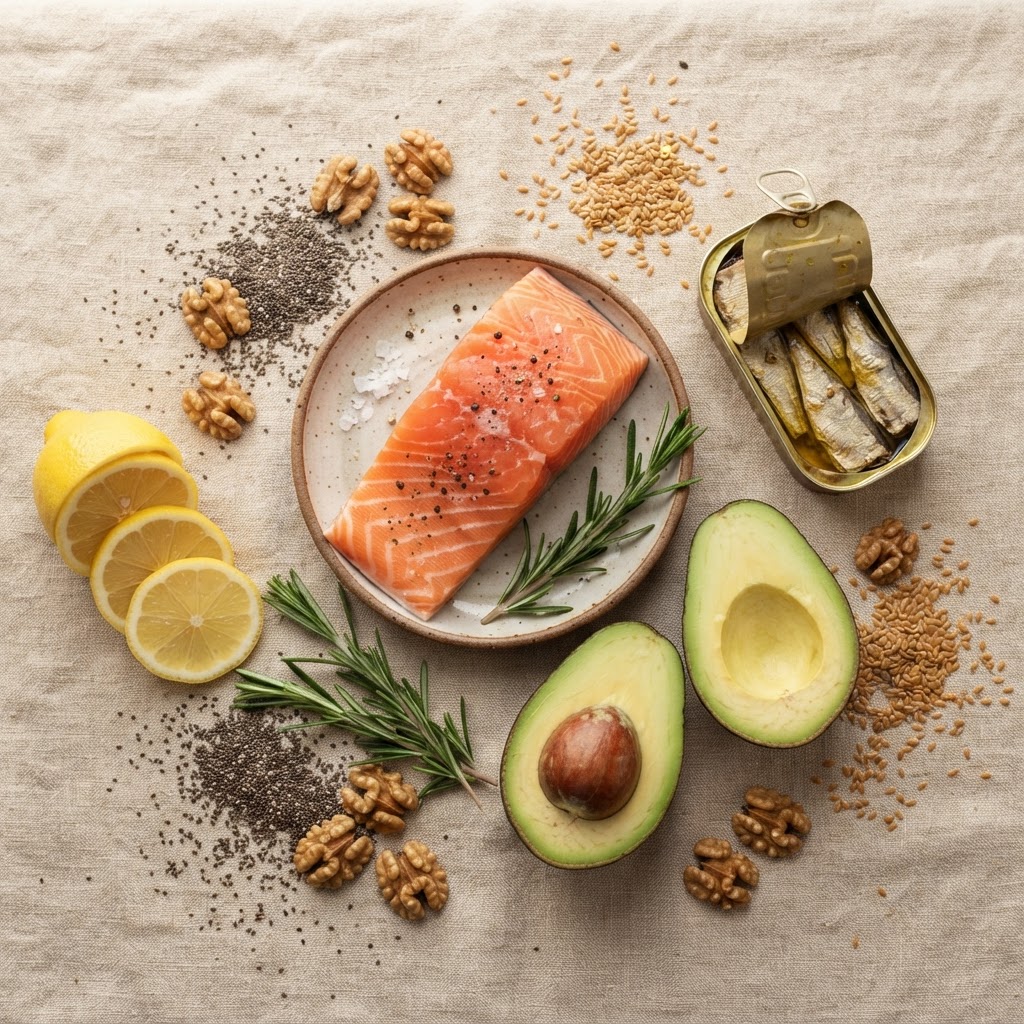
Build up fibre slowly. Oats, beans, lentils, vegetables, fruit, nuts and seeds feed your helpful gut bacteria and keep things moving. Go gradually, as a sudden jump can make bloating worse for a week or two.
Drink plenty of water. Fibre needs water to work. Aim for regular drinks through the day.
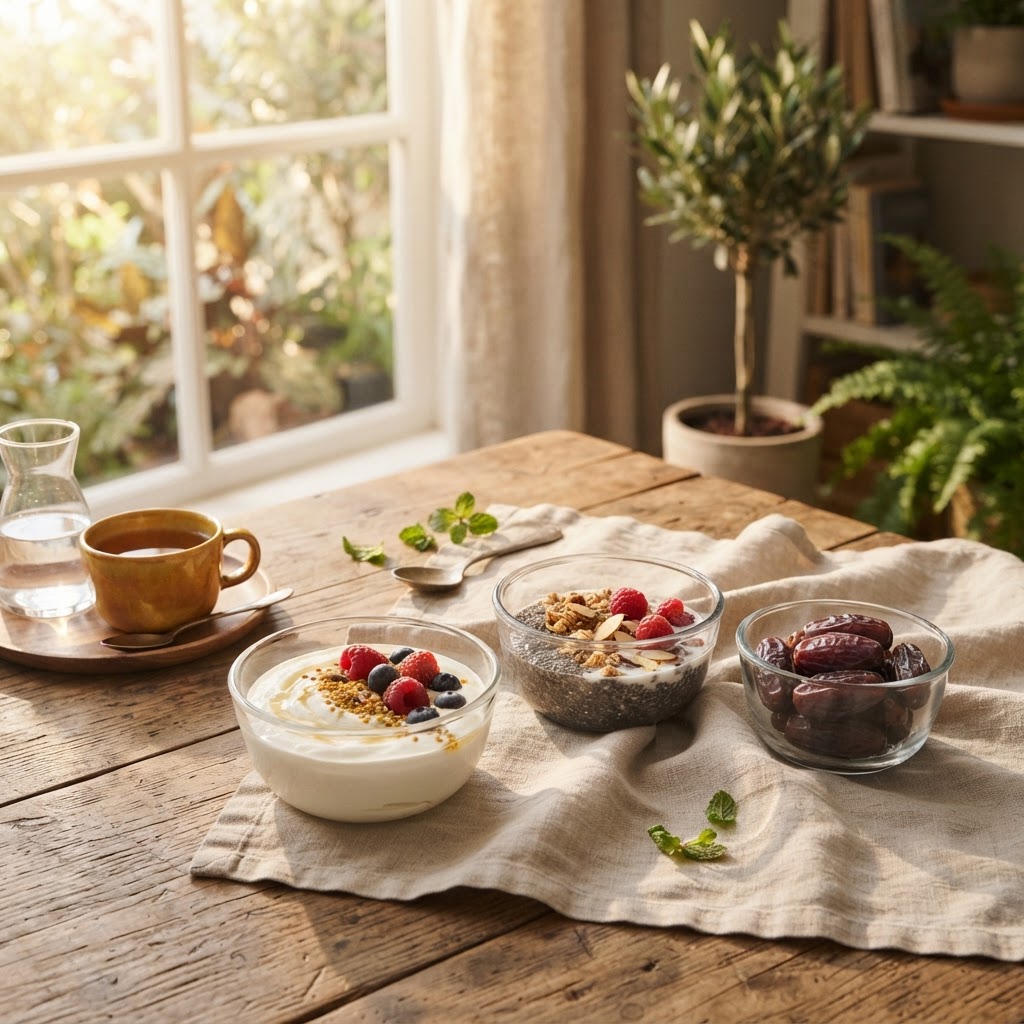
Try a little live yoghurt or kefir. Fermented foods add variety to your gut bacteria. The UEA review found early, encouraging signs for prebiotics and probiotics at menopause, but the evidence is still building, so food first is a good start.
Keep protein in every meal. Eggs, fish, chicken, beans, tofu or Greek yoghurt help you feel full and protect muscle, which naturally declines with age.
Move every day, and lift something. Walking helps your gut move. Strength exercises, even using your body weight, help with muscle, bones and how your body handles fat.
Go easy on fizzy drinks, alcohol and chewing gum. All three can add to bloating. Alcohol can also trigger hot flushes and disturb sleep.
Look after stress where you can. Slow breathing, time outside, talking things through. Stress and the gut are closely linked, as we explain in Burnout Symptoms: What Burnout Does to Your Body and Gut.
What about treatment?

Speak to your GP about what's right for you. NICE's 2024 menopause guideline includes:
- HRT, which can ease many menopause symptoms
- CBT (a talking therapy) for hot flushes, night sweats and sleep problems, either alongside HRT or instead of it
Your GP or practice nurse can talk through the benefits and risks for you personally.
Please don't ignore these
Bloating is very common at menopause, and usually harmless. But some symptoms need checking, because they can be signs of other conditions, including ovarian cancer.
See your GP if:
- you've felt bloated most days for 3 weeks or more
- you feel full very quickly when eating, or have lost your appetite
- you have pain in your tummy or pelvis that won't go away
- you need to wee more often than usual
- you notice a change in your bowel habits, especially if you're over 50
- you have bleeding after your periods have stopped
- you've lost weight without trying, or feel tired all the time
Most of the time, it won't be anything serious. But it's always worth checking, and if things don't improve after you've been seen, go back.
Where Power Gut fits in
Menopause can affect your sleep, your mood and your confidence as much as your gut. If you'd like to talk through what's going on and what might help, book a free 20-minute chat. There's no payment and no pressure.
Quick answers
Why am I so bloated during menopause? Falling oestrogen can slow your gut, change your gut bacteria and make your gut more sensitive. Stress and poor sleep can add to it.
Why am I gaining weight around my middle? Lower oestrogen shifts where your body stores fat towards the tummy, even if your eating hasn't changed.
Can changing my diet help menopause bloating? Often, yes. Smaller evening meals, slowly building up fibre, plenty of water and less fizzy drink and alcohol help many women.
When should I worry about bloating? If you're bloated most days for 3 weeks or more, or have any of the other symptoms above, see your GP.
More help: NHS: Menopause and perimenopause · The Menopause Charity · Women's Health Concern: Menopause · Guts UK · Target Ovarian Cancer: Symptoms
This article is for education only and isn't medical advice. Please speak to your GP or a qualified health professional about your own health.
This article is for educational purposes only and does not constitute medical advice. Always consult your GP or a qualified healthcare professional for personal medical guidance.
Want to explore this further?
A free 20-minute chat is available if you'd like to talk through how this relates to your own experience, no pressure, no obligation.
Get the free gut-brain health guide
5 things your doctor hasn't told you about your gut and your brain. Evidence-based, no fluff.
No spam. Unsubscribe anytime. Educational content only.
Related Articles

Have a question? We'd love to hear from you.
Send us a message — we respond within 1–2 working days.