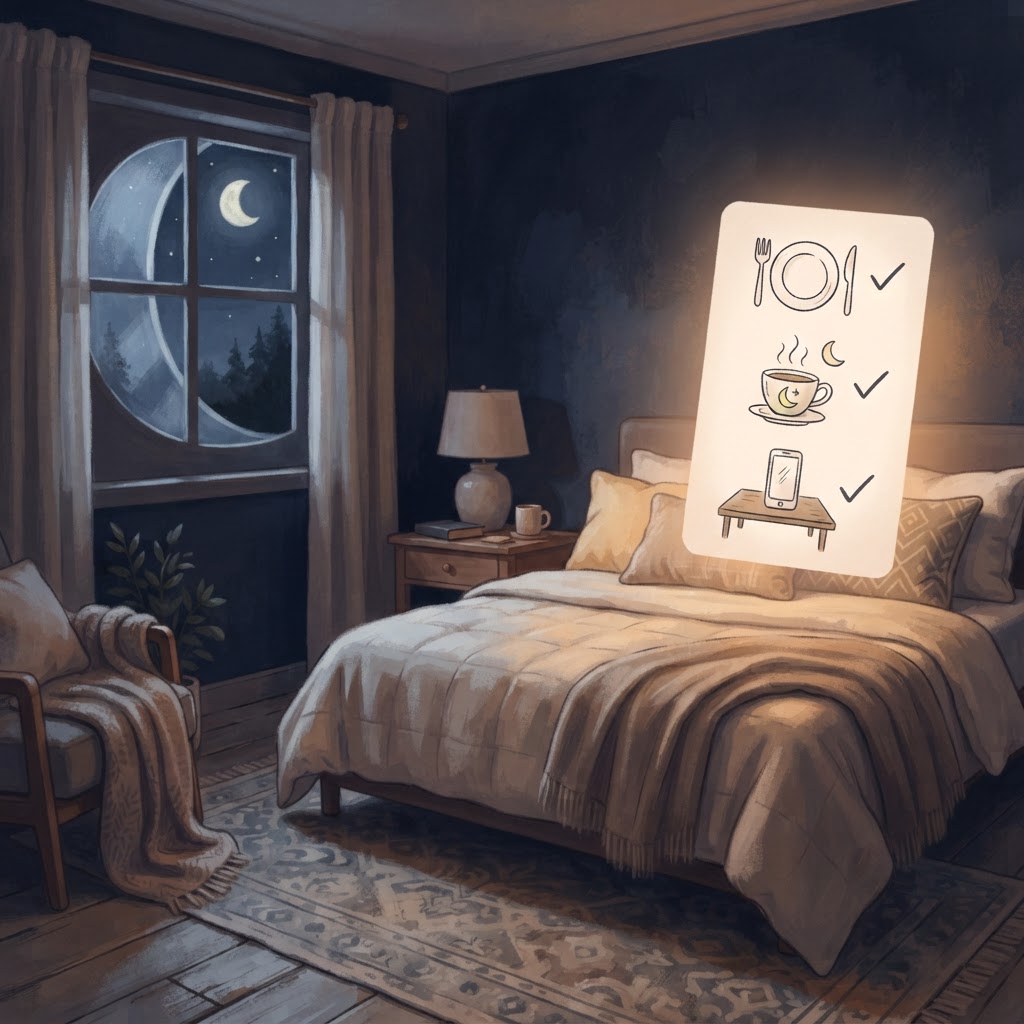
Can't Sleep? 10 Gut-Friendly Fixes for Insomnia
Exhausted but wide awake? Ten simple, gut-friendly fixes for insomnia you can start tonight — and what to do if nothing seems to help.
Can't sleep, even though you're exhausted? You're not alone. Nearly one in three UK adults has trouble sleeping every week.
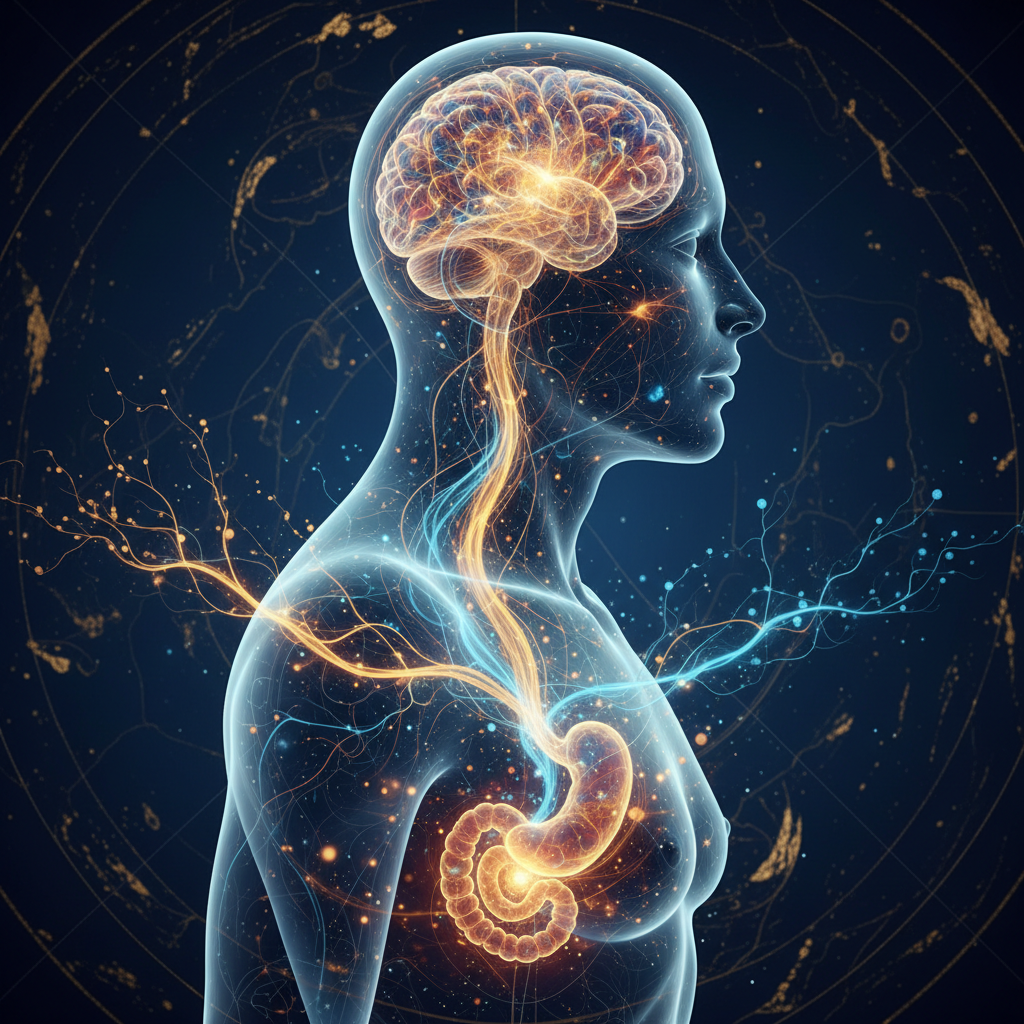
The good news: small changes can make a real difference, and some of the most helpful ones start with your gut. Your gut follows a daily rhythm, mostly set by when you eat. When that rhythm is off, sleep often is too.
Here's what to try, starting tonight.
Try tonight
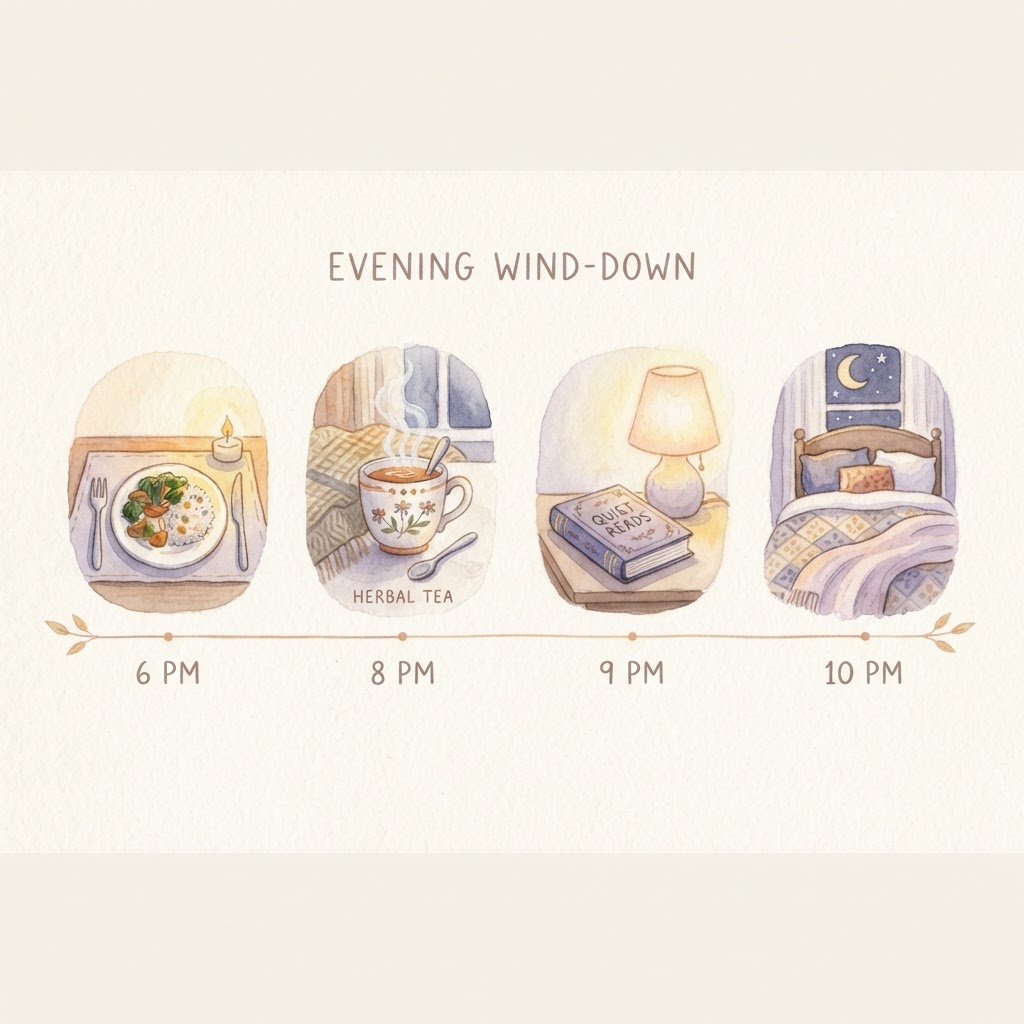
1. Eat dinner earlier. Finish your main meal 2 to 3 hours before bed. A full stomach keeps your body busy digesting when it should be winding down, and lying down too soon can cause heartburn.
2. Hungry late? Keep it small. A banana, a small bowl of porridge or a couple of oatcakes. Avoid anything spicy, greasy or large.
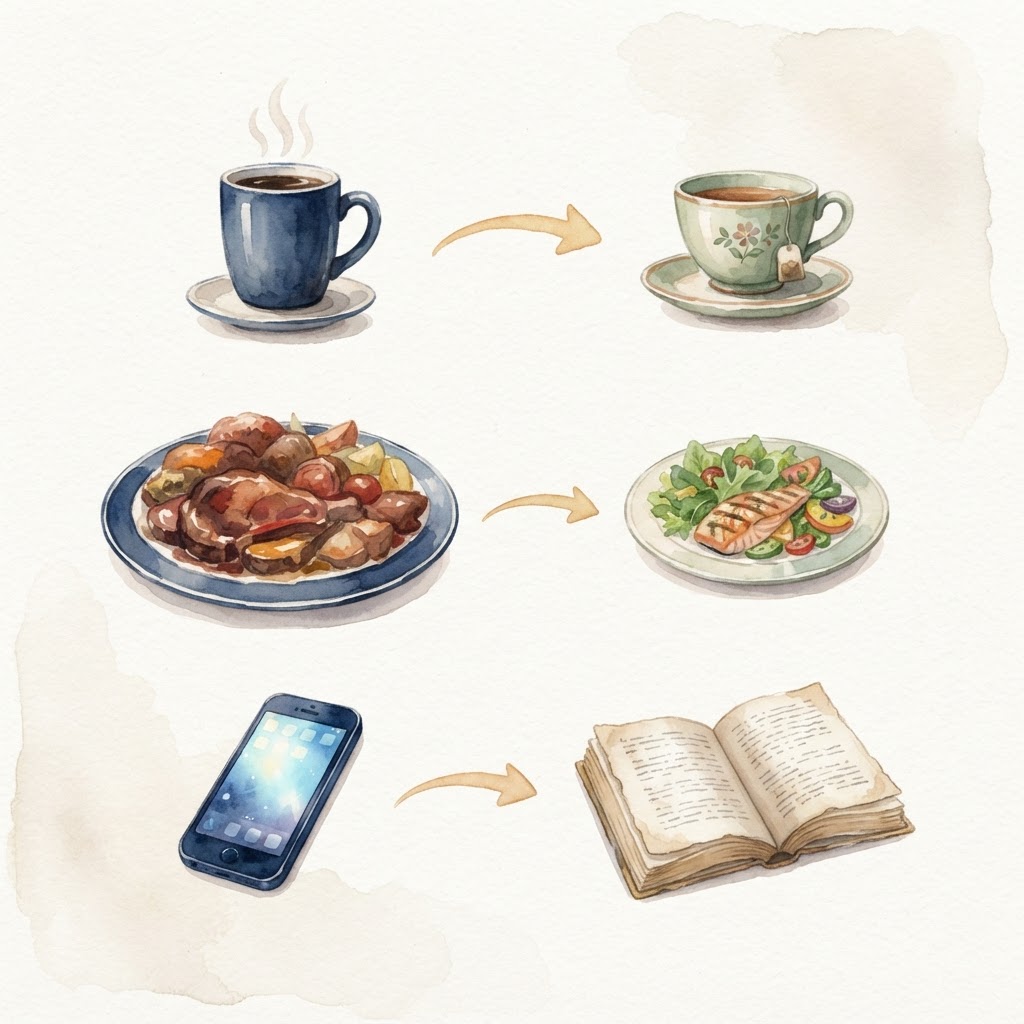
3. Stop caffeine by early afternoon. Coffee, tea, cola and energy drinks can keep you alert for hours. Swap to decaf or a caffeine-free herbal tea after lunch.
4. Skip the "nightcap". Alcohol may help you nod off, but it makes sleep lighter and more broken later in the night.
5. Breathe out longer than you breathe in. In bed, breathe in for 4, then out for 6. Repeat for a few minutes. It tells your nervous system it's safe to rest.
6. Can't sleep after about 20 minutes? Get up. Sit somewhere calm with low light, read something easy, and go back to bed when you feel sleepy. This stops your brain linking your bed with lying awake.
Build into your week
7. Eat at similar times every day. Regular meals keep your gut's rhythm and your body clock in step.
8. Get daylight in the morning. Ten minutes outside, even on a cloudy day, helps set your body clock. It's especially useful in the darker UK winter.
9. Feed your gut with fibre. Oats, beans, lentils, vegetables, fruit, nuts and seeds feed your helpful gut bacteria. A spoonful of live yoghurt or kefir is an easy extra.
10. Give your phone a bedtime. Put screens away 30 to 60 minutes before bed, ideally in another room. Use that time for something calming: a warm shower, gentle stretching or a book.
A nutrient worth checking: vitamin D

Low vitamin D is linked to poorer sleep. In research, people with low levels were more likely to have sleep problems. Some trials have reported a modest improvement in sleep quality with vitamin D supplements, though the evidence is mixed and this is not a treatment for insomnia. In the UK, around 3 in 10 adults aged 19 to 64 are low in vitamin D in winter.
The NHS advises everyone to consider a daily 10 microgram (400 IU) vitamin D supplement in autumn and winter.
Want to know your level instead of guessing? A simple finger-prick test can tell you. Power Gut helps you access a vitamin D test from an established laboratory partner, and supports you with the results. Find out about testing
More information: NHS: Vitamin D
Why your gut matters for sleep (in one minute)
- Your gut bacteria follow a daily rhythm, set mainly by when you eat.
- Late or irregular meals can push that rhythm, and your sleep, out of sync.
- Short or broken sleep is linked to changes in gut bacteria, so poor sleep and an unsettled gut can feed each other.
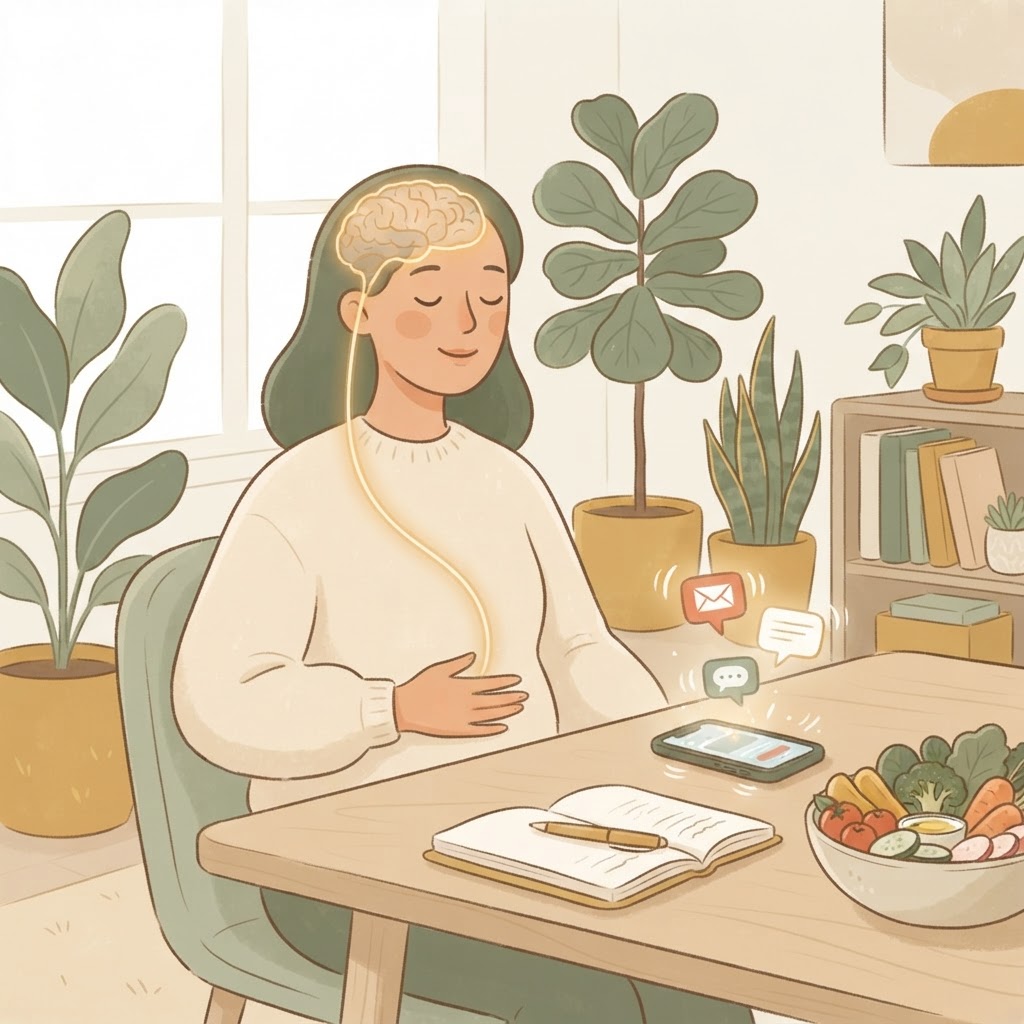
- Stress affects both at once, through the gut-brain connection. Read more in Anxiety Stomach: Why Anxiety Hits Your Gut.
So looking after your eating pattern is looking after your sleep.
Still not sleeping?
If you've tried these changes for a few weeks and things haven't improved, there's help available.
- NHS Talking Therapies can help if stress or worry is keeping you up. In England, you can refer yourself online.
- Hypnotherapy helps many people relax deeply and quieten a busy mind.
- Your GP can check for other causes and talk you through proven treatment options.
Power Gut can help. We offer live online hypnotherapy with a qualified, registered clinical hypnotherapist (ages 16 and over), and we can help you find a qualified, registered counsellor. Not sure what you need? Book a free 20-minute chat, with no payment and no pressure.
See support options · Book a free chat
See your GP if…
- Poor sleep has lasted more than a few weeks
- You snore loudly or stop breathing in your sleep
- You feel very sleepy during the day, especially when driving
- You have restless legs at night
- Heartburn, pain or needing the toilet regularly wakes you
- Your mood is getting worse
Need to talk now? Call Samaritans on 116 123 (free, 24/7), text SHOUT to 85258, or call NHS 111 and select option 2 for urgent mental health help in England. In an emergency, call 999.
Quick answers
How long before bed should I stop eating? Two to three hours for your main meal.
Does caffeine really affect sleep? Yes. It can stay in your body for many hours, so stop by early afternoon.
Can low vitamin D affect sleep? Low vitamin D is linked to poorer sleep quality. The NHS advises considering a daily supplement in autumn and winter, and a simple test can show your level.
What's the best treatment for long-term insomnia? Your GP can check for other causes and talk you through proven options.
More help: NHS: Insomnia · NHS Every Mind Matters: Sleep · The Sleep Charity · NHS Talking Therapies
This article is for education only and isn't medical advice. Please speak to your GP or a qualified health professional about your own health.
This article is for educational purposes only and does not constitute medical advice. Always consult your GP or a qualified healthcare professional for personal medical guidance.
Want to explore this further?
A free 20-minute chat is available if you'd like to talk through how this relates to your own experience, no pressure, no obligation.
Get the free gut-brain health guide
5 things your doctor hasn't told you about your gut and your brain. Evidence-based, no fluff.
No spam. Unsubscribe anytime. Educational content only.
Related Articles

Have a question? We'd love to hear from you.
Send us a message — we respond within 1–2 working days.