
Burnout Symptoms: What Burnout Does to Your Body and Gut
Tired when you wake, wired at night, stomach in knots by Sunday evening? The signs of burnout, what it does to your body and gut, and a simple reset plan.
You used to bounce back after a weekend. Now Sunday evening arrives and your stomach is already tight. You're tired when you wake up, wired when you try to sleep, and the things you used to care about at work just feel heavy.
That might be burnout. And it's far from rare. In Mental Health UK's 2026 Burnout Report, 91% of UK adults said they'd felt high or extreme stress in the past year, and 1 in 5 workers had taken time off because of it. Among 18 to 24 year olds, it was nearly 2 in 5.
What people call burnout isn't only in your head. It shows up in your sleep, your energy and, for a lot of people, your gut. Burnout isn't a formal medical diagnosis, so what follows describes a pattern of stress-related symptoms rather than a clinical condition.
Quick check: how many of these sound like you?
Over the last month or so, have you often…
- woken up already tired, even after a full night in bed?
- felt your stomach churn, cramp or bloat on work days, and settle a bit on holiday?
- lost your appetite, or found yourself grazing on snacks just to keep going?
- caught every cold going?
- felt numb, cynical or detached about work you used to care about?
- found it harder to concentrate, or felt that nothing you do is good enough?
- struggled to switch off in the evening, even when you're exhausted?
If several of these are familiar, your body is sending you a message worth listening to. This isn't a diagnosis, but it's a good reason to act now rather than later.
What burnout actually is
The World Health Organization describes burnout as the result of long-term work stress that hasn't been successfully managed. It has three parts:
- Exhaustion: feeling drained, with nothing left in the tank
- Mental distance: feeling cynical, negative or detached from your job
- Reduced effectiveness: feeling you can't get things done as well as you used to
The WHO classes burnout as a work-related problem, not a medical condition. But its effects on your body are very real.
Why burnout hits your gut
Your gut and your brain are in constant contact, mainly through the vagus nerve and your stress hormones.
When stress runs for weeks or months, your body stays in "alert" mode. Stress hormones such as cortisol stay high, and digestion gets pushed down the list. Over time this can mean:
- A sensitive, unpredictable gut: cramps, bloating, urgent toilet trips or constipation
- Changes in your gut bacteria: research links long-term stress with an imbalance in the gut's bacteria
- Poor sleep: which makes both stress and gut symptoms worse the next day
- Comfort eating or skipped meals: which unsettle your gut further
It becomes a loop: stress upsets your gut, a bad gut day adds more stress, and you sleep worse. The good news is that you can break the loop from more than one side. Read more in Anxiety Stomach: Why Anxiety Hits Your Gut.
Your reset plan

You don't need to change everything at once. Start small.
Today
- Eat lunch away from your screen. Even 15 minutes. Your gut digests better when your body isn't in work mode.
- Drink some water before your next coffee.
- Take three slow breaths before your next meeting: in for 4, out for 6.
- Pick one task to drop or delay. Not everything on the list is urgent.
This week
- Set a finish time and stick to it at least three days this week.
- Turn off work notifications in the evening.
- Get outside in daylight, ideally in the morning. A short walk counts.
- Eat at regular times, with your last main meal 2 to 3 hours before bed. See Can't Sleep? 10 Gut-Friendly Fixes for Insomnia.
- Tell one person how you're really doing.
This month
- Talk to your manager about workload (see below).
- Build in something that's just for you: exercise, a hobby, time with friends.
- Get support if things aren't lifting. Talking to someone early makes a real difference.
Not sure what to say to your manager?
It can feel awkward, so here's a simple way to start. You can adapt it:
"I want to be honest that I've been struggling with my workload for a while, and it's starting to affect my health. Can we look at my priorities together and agree what can move or wait?"
You don't have to share every detail. Focusing on workload and priorities keeps the conversation practical.
For employers
Burnout isn't just a personal problem. Work-related stress, depression or anxiety affected 964,000 workers in Great Britain in 2024/25, and led to 22.1 million lost working days. UK employers have a legal duty to assess and manage risks to staff health, including stress, and the Health and Safety Executive (HSE) has a free framework, the Management Standards, to help.
Support that can help
- NHS Talking Therapies: free, and in England you can refer yourself.
- Hypnotherapy: many people find it helps them switch off and calm both mind and body.
- Counselling: a space to work through what's behind the pressure.
How Power Gut can help: we offer live online hypnotherapy with a qualified, registered clinical hypnotherapist (ages 16 and over), and we can help you find a qualified, registered counsellor. Not sure where to start? Book a free 20-minute chat, with no payment and no pressure.
See support options · Book a free chat
See your GP if…
- you've felt low, anxious or exhausted for more than two weeks
- you're relying on alcohol, caffeine or other substances to get through
- your gut symptoms are new, severe or getting worse
- you notice blood in your poo, unexplained weight loss, or a lasting change in your bowel habits
Your GP can check for other causes, such as anaemia, thyroid problems or depression, and talk through options, including a fit note if you need time off.
If you're struggling right now: call Samaritans on 116 123 (free, 24/7), text SHOUT to 85258, or call NHS 111 and select option 2 for urgent mental health support in England. In an emergency, call 999.
Quick answers
Is burnout the same as stress? Not quite. Stress usually feels like too much. Burnout often feels like nothing left, along with feeling detached from work.
Can burnout cause stomach problems? It can contribute. Long-term stress affects how your gut moves, how sensitive it is and the balance of your gut bacteria.
How long does it take to recover from burnout? It varies. Small changes can help within weeks, but full recovery often takes longer, especially if the causes at work don't change.
Can I get signed off work for burnout? Your GP can assess you and, if appropriate, give you a fit note.
More help: Mental Health UK: Burnout · NHS Every Mind Matters: Stress · HSE: Work-related stress · Mind: Work and stress · NHS Talking Therapies
This article is for education only and isn't medical advice. Please speak to your GP or a qualified health professional about your own health.
This article is for educational purposes only and does not constitute medical advice. Always consult your GP or a qualified healthcare professional for personal medical guidance.
Want to explore this further?
A free 20-minute chat is available if you'd like to talk through how this relates to your own experience, no pressure, no obligation.
Get the free gut-brain health guide
5 things your doctor hasn't told you about your gut and your brain. Evidence-based, no fluff.
No spam. Unsubscribe anytime. Educational content only.
Related Articles

Exam Stress and Stomach Aches: Why Your Gut Panics (and How to Calm It)
7 min read
Modern Life, Stress, and Your Gut: Why It Happens and How to Find Relief
9 min read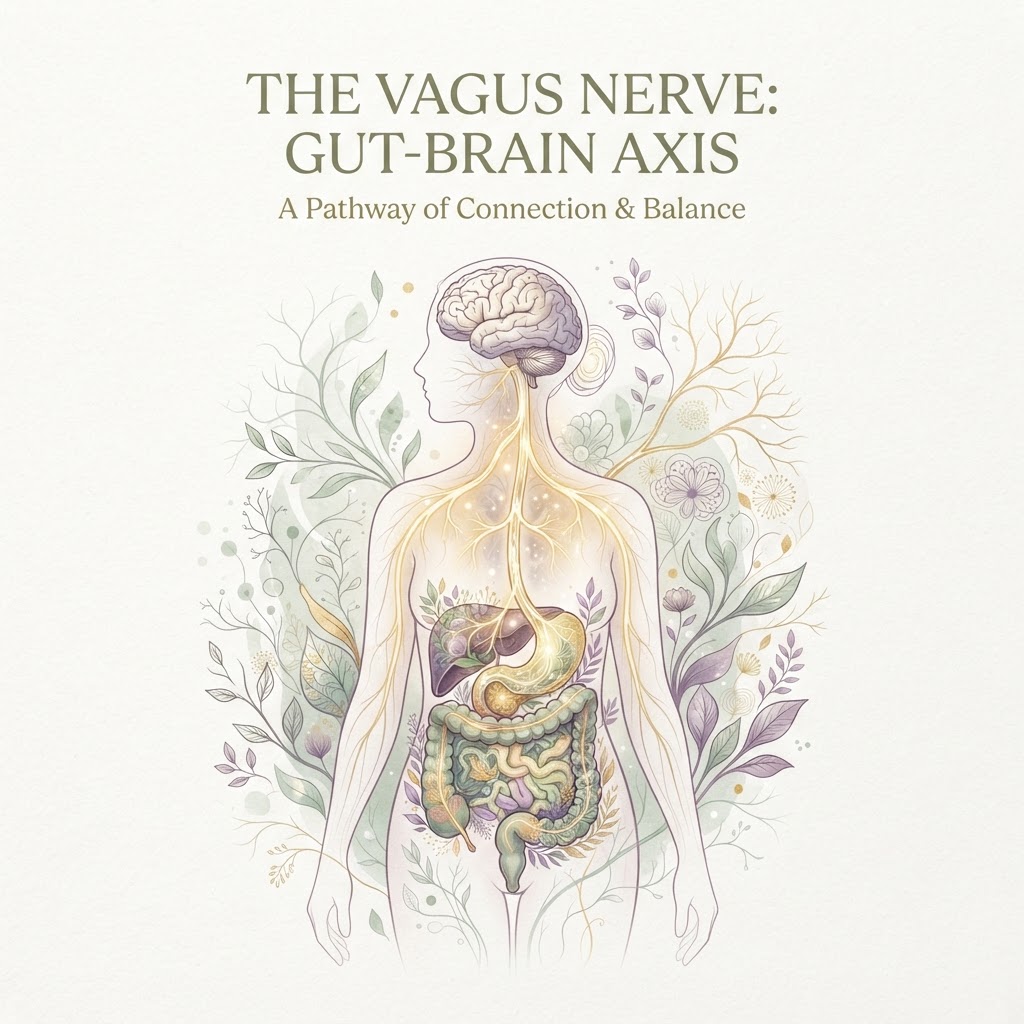
The Shame We Don't Talk About: When Your Gut Takes Over Your Life
9 min readHave a question? We'd love to hear from you.
Send us a message — we respond within 1–2 working days.