Your Microbiome: The Hidden Ecosystem That Controls Your Health
Discover how your gut microbiome acts as a vital ecosystem that influences everything from your mood to your immune strength. Learn how these trillions of microorganisms work daily to support your digestion and overall mental wellbeing.
What Is the Microbiome?
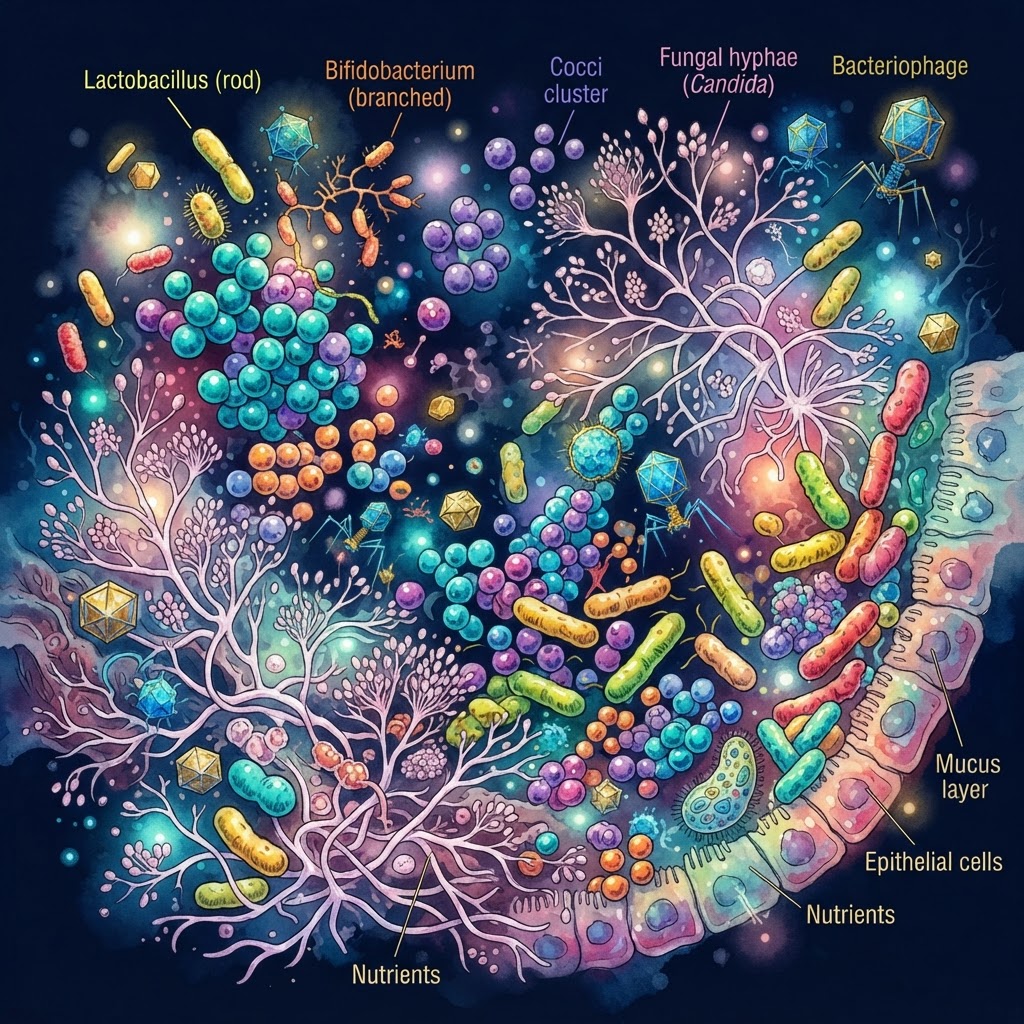
Inside your digestive tract lives a vast, complex community of trillions of microorganisms: bacteria, fungi, viruses and other microbes. This is your gut microbiome.
Think of it as a living ecosystem that works alongside your body every moment of every day. Current estimates suggest you carry roughly as many microbial cells as human cells, so in a very real sense, you are never alone.
The Gut-Brain Connection: Why Your Microbiome Affects Your Mood
Your gut and brain are in constant communication through the gut-brain axis, a two-way system linking your digestive system to your central nervous system.
- Serotonin: around 90% of your body's serotonin is made in the gut. Gut serotonin does not travel directly to the brain, but it influences gut function and sends signals along the vagus nerve. An imbalanced microbiome may affect mood and stress levels.
- Brain fog and energy: gut-related inflammation is linked to fatigue, poor concentration and low energy.
- Sleep: gut bacteria follow a daily rhythm and interact with the hormones that regulate your sleep-wake cycle.
This is why improving gut health often helps people feel better mentally and emotionally, not just physically.
The Immune System Connection
A large share of your immune system, often estimated at around 70%, sits in and around your gut. Beneficial bacteria help by:
- Crowding out harmful bacteria, competing for space and nutrients
- Producing antimicrobial substances that keep pathogens in check
- Training your immune system to tell harmless substances apart from real threats
A diverse, balanced microbiome supports a well-regulated immune response. When it is out of balance, the immune system may become overactive or less effective.
Digestion and Nutrient Absorption
Your gut bacteria are active partners in digestion. They:
- Break down fibre that your body cannot digest on its own, fermenting it into short-chain fatty acids that nourish your gut lining and help calm inflammation.
- Make vitamins, including some B vitamins and vitamin K.
- Help absorb minerals such as calcium, magnesium and iron.
If your microbiome is out of balance, you may not get the full benefit from the food you eat, even with a healthy diet.
Signs Your Microbiome May Be Out of Balance
An imbalanced gut (called dysbiosis) can show up in many ways:
| Area | Possible signs | |---|---| | Digestive | Bloating, gas, constipation, diarrhoea, heartburn, food intolerances | | Energy and mood | Fatigue, brain fog, anxiety, low mood, poor sleep | | Skin | Acne, eczema, rosacea | | Immune | Frequent colds, allergies | | Cravings | Strong cravings for sugar or highly processed foods |
These signs can have many causes. If symptoms are persistent, new or worrying, always speak to your GP.
What Upsets the Microbiome?
- Antibiotics: sometimes essential, but they affect beneficial bacteria as well as harmful ones.
- Diet: highly processed foods, excess sugar and low fibre starve beneficial bacteria.
- Chronic stress: stress changes the make-up of your gut microbiome.
- Poor sleep: disrupted sleep upsets the balance of gut bacteria.
The good news is that your microbiome is highly adaptable. Research shows diet can change it within days.
How to Support Your Microbiome
1. Eat a diverse, fibre-rich diet
Different bacteria thrive on different fibres.
- Aim for 30 different plant foods a week: fruit, vegetables, pulses, nuts, seeds, herbs and wholegrains all count.
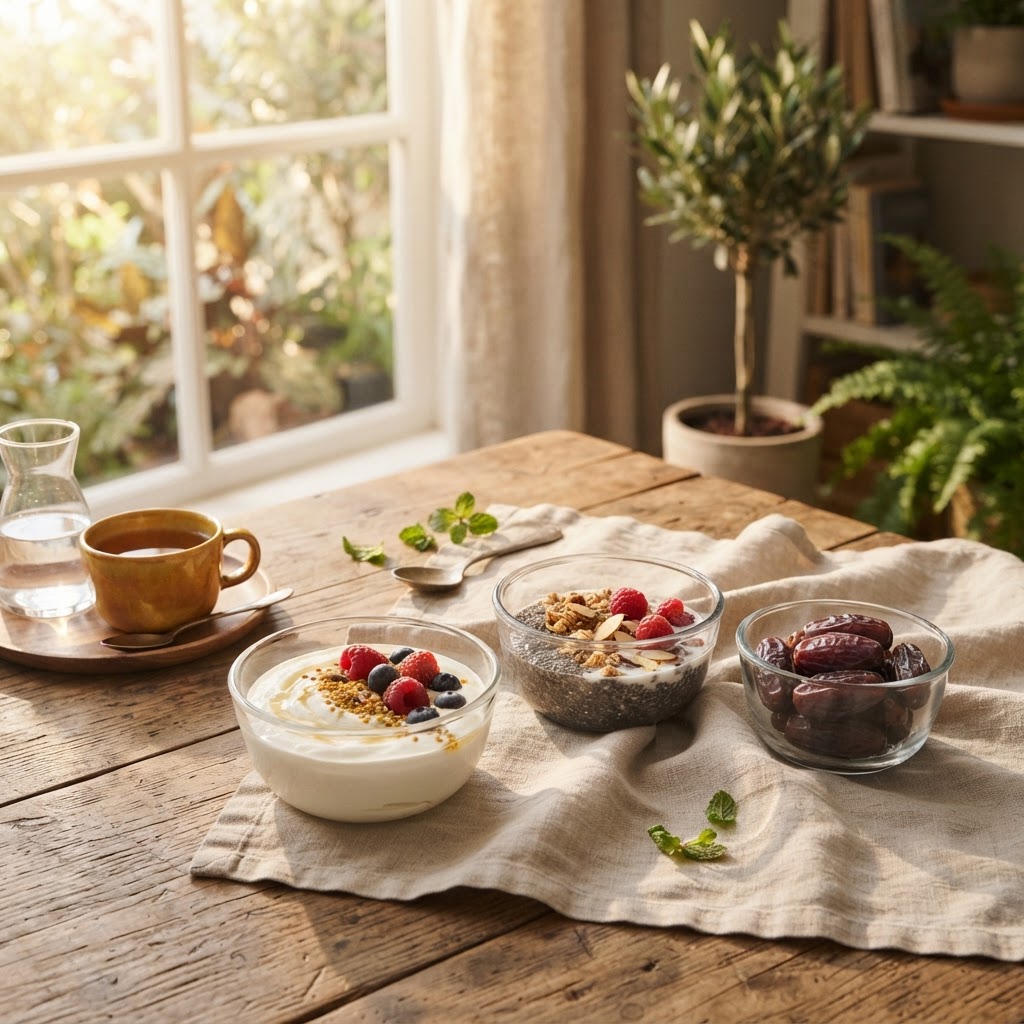
- Include fermented foods like live yoghurt, kefir, sauerkraut, kimchi and kombucha.
- Eat prebiotic foods such as garlic, onions, leeks, asparagus, bananas and oats.
2. Manage stress
- Mindfulness or breathing exercises
- Regular physical activity
- Time in nature
3. Prioritise sleep
Aim for 7 to 9 hours, with regular sleep and wake times.
4. Stay hydrated
Water supports the mucus lining of your gut and helps fibre do its job.
5. Limit ultra-processed foods and sugar
Cutting back helps beneficial bacteria flourish.
Why Personal Insight Can Help
No two microbiomes are the same. Yours is as individual as your fingerprint, and what works for one person may not work for another.
A microbiome test can show:
- The diversity of your gut bacteria
- Which groups of bacteria are higher or lower than typical
- How your results compare with reference ranges
- Dietary suggestions based on your profile
The NHS does not currently offer routine microbiome testing for general wellness, but private home tests are available. If you choose one, look for an accredited laboratory, a clear and practical report, professional support to understand your results, and secure handling of your data.
A Final Thought
Your microbiome is not a passive part of your body. It is an active, dynamic ecosystem that plays a central role in your physical and mental health. Supporting it is one of the most practical things you can do for how you feel every day.
Want to Understand Your Microbiome?
Power Gut can help you access a home microbiome test, supplied and analysed by an established laboratory partner. We support you to understand your results and plan realistic next steps.
Find out more about testing or book a free chat.
This article is for educational purposes only. Home testing provides wellness insights and does not diagnose medical conditions. Always consult your GP or a qualified healthcare professional about any health concerns.
These are possible associations only, not a checklist for dysbiosis. Every item above can have many other causes, including conditions that need medical treatment, so this table cannot be used to diagnose anything. Speak to your GP about persistent symptoms.
Want to explore this further?
A free 20-minute chat is available if you'd like to talk through how this relates to your own experience, no pressure, no obligation.
Get the free gut-brain health guide
5 things your doctor hasn't told you about your gut and your brain. Evidence-based, no fluff.
No spam. Unsubscribe anytime. Educational content only.
Related Articles


Have a question? We'd love to hear from you.
Send us a message — we respond within 1–2 working days.