What Is the Microbiome? The Hidden Ecosystem Inside You
Your body hosts trillions of microbes that form a hidden ecosystem. Discover how your microbiome affects digestion, immunity, and mental health — and how to support it.
What Is the Microbiome?
What Is the Microbiome?
Your body is home to trillions of tiny organisms — bacteria, viruses, and fungi. Collectively, they are known as the microbiota, and the combination of all their genetic material is called the microbiome.
Most of these microbes live in your gastrointestinal tract — your gut. In fact, there are more bacterial cells in your body than human cells. You have about 40 trillion bacterial cells and only 30 trillion human cells — so technically, you are more bacteria than human!
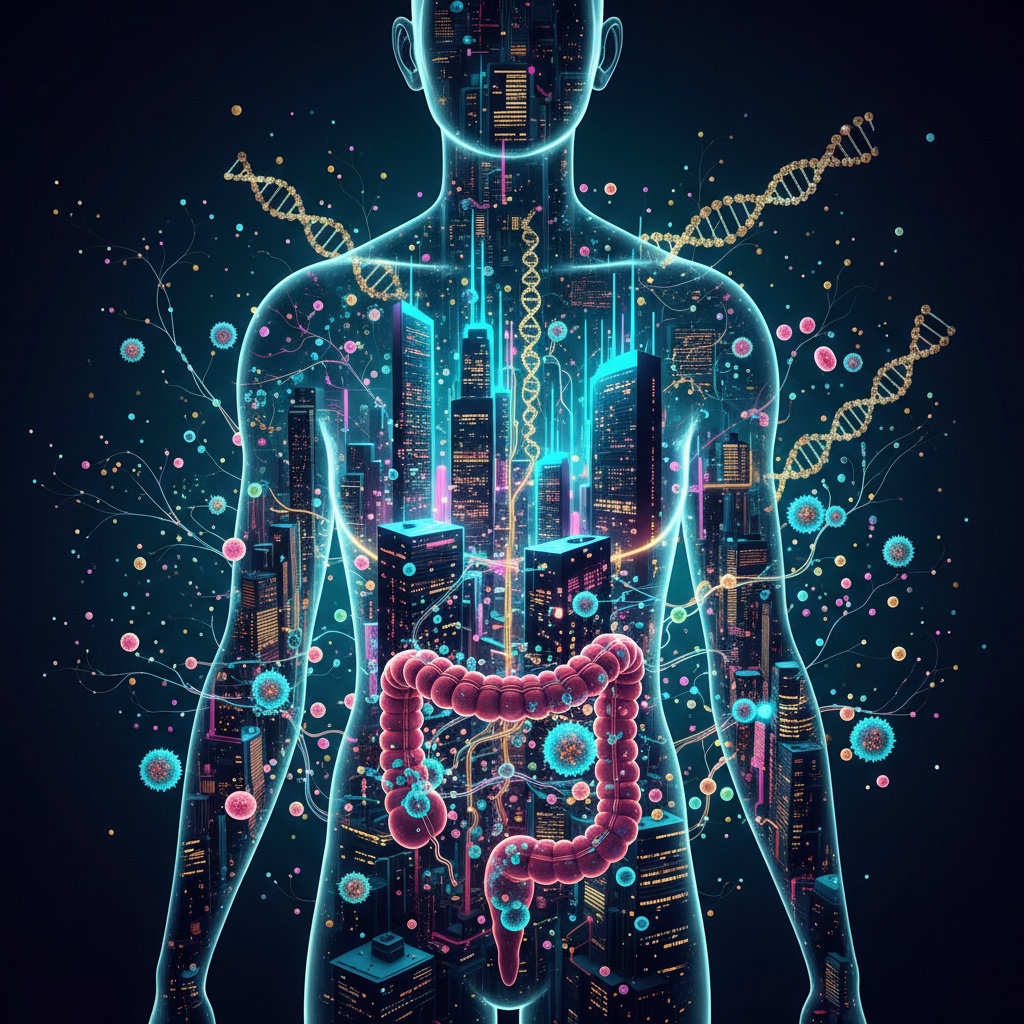
Think of your gut like a bustling city. The microbes are the residents, each with their own job to do. Some help with digestion, others support your immune system, and some even communicate with your brain. Just like a city needs a diverse population to thrive, your gut needs a wide variety of microbes to keep you healthy.
Together, these microbes weigh between 1 and 2 kilograms — roughly the same weight as your brain. They function like a powerful second organ, playing a huge role in your overall health.
What Does the Microbiome Do?
Your gut microbes are busy little workers. Here are some of the important jobs they do:
Digestion and Nutrition
Your gut bacteria break down complex carbohydrates and fibre that your body cannot digest on its own. They extract energy from otherwise indigestible foods and help your body absorb nutrients. They also synthesise certain vitamins, such as vitamin K and B12.
Immune System Support
Your microbiome stimulates your immune system and helps it develop properly. Beneficial bacteria help preserve intestinal health, promote protective immune responses, and limit excessive inflammation. They also provide protection from harmful pathogens that enter through contaminated food and drink.
Protection Against Harmful Bacteria
A healthy microbiome prevents harmful bacteria from colonising your gut. Think of it like a garden — when the good plants are thriving, there is less room for weeds to take over.
Production of Short-Chain Fatty Acids
When your gut bacteria ferment fibre, they produce compounds called short-chain fatty acids (SCFAs). These include acetate, propionate, and butyrate. SCFAs act as a nutrient source for your gut cells, help regulate the pH of your colon, and are involved in muscle function and immunity.
How the Microbiome Impacts Your Body
Your microbiome doesn't just stay in your gut. It affects almost every system in your body.
Your Digestive System
An unhealthy microbiome has been linked with many conditions, not just gut conditions such as bowel cancer. Diets that are higher in fibre, fruit, and vegetables, and low in red meat, are more beneficial to the gut microbiome by increasing microbial diversity and beneficial bacteria.
Your Immune System
Your gut microbiome plays a vital role in the development and regulation of your immune system. When your microbiome is out of balance, it can contribute to chronic inflammation, which is linked to many health issues.
Your Hormones and Metabolism
The gut microbiome is involved in energy homeostasis and metabolic processes. Research has shown that the gut microbiome differs between people who are obese and those who are healthy — and these differences are not genetic.
Your Whole Body
Where the balance in the gut microbiome is disturbed, it has been associated with many serious diseases and conditions. The gut microbiome also interacts with other organs such as the brain and liver, forming a gut-brain axis and a gut-liver axis.
The Gut-Brain Connection: How Your Microbiome Affects Your Mental Health
This is where things get really interesting. Your gut and brain are in constant communication through a two-way network called the gut-brain axis.
What the Research Shows
There is growing interest in how the human gut microbiota interacts with the brain to influence psychological outcomes, particularly stress, mood, and anxiety. A key mechanism linking the gut to stress regulation involves the fermentation of dietary fibre into short-chain fatty acids, which influence brain function.
The Gut-Brain Connection: How Your Microbiome Affects Your Mental Health
This is where things get really exciting. Your gut and brain constantly communicate through the gut-brain axis. Growing research links gut microbiota to stress, mood, and anxiety — fermentation of dietary fibre produces short-chain fatty acids that influence brain function.
A groundbreaking UK research network, the UK Gut-Immunology-Brain Axis Network+, received £4.5 million in BBSRC funding to investigate whether probiotics, diet, and gut-targeted therapies could treat anxiety and depression.
Communication goes both ways: gut microbes produce mood-affecting compounds, while stress disrupts gut bacteria. This explains "butterflies" when nervous and stress-triggered digestive symptoms.
A Note for Neurodivergent Readers
Research increasingly links the gut microbiome to neurodevelopmental conditions like autism and ADHD. The UK GIBA Network+ will explore these connections. For neurodivergent individuals, mealtime behaviour is deeply affected by sensory processing — smell, taste, and texture. Start with small, manageable changes; there is no pressure to get it perfect.
What Harms Your Microbiome?
- Low fibre intake: UK adults average only 18g per day — far below the recommended 30g
- Ultra-processed foods and fizzy drinks (even diet) damage the gut microbiome
- High red meat intake reduces beneficial bacteria
- Stress, antibiotics, poor sleep, and low variety all disrupt microbiome balance
What Helps Your Microbiome?
- Eat more fibre: 30g per day from whole grains, fruits with skin, legumes, nuts, seeds
- The 30 plants/week approach for maximum microbial diversity
- Fermented foods: yogurt, kefir, sauerkraut, kimchi, kombucha, sourdough
- Stay hydrated: 1.5-2 litres daily
- **Manage stress, move daily, sleep 7-9 hours, use antibiotics only when prescribed
How to Start Today
- Week 1: Add one fibre portion to each meal
- Week 2: Try one new plant food
- Week 3: Add one fermented food
- Week 4: Swap one processed food for whole food Add fibre gradually, drink water, and listen to your body.
The Bottom Line
Your microbiome affects digestion, immunity, and mental health. Support it with more fibre, variety of plants, fermented foods, hydration, stress management, movement, and sleep. Start small and build — your gut will thank you.
Share this article
For Instagram — copy the link above and paste it in your bio or story.

